Tile and Grout Cleaning Service Guide: When DIY Stops Working
November 17, 2026
Tile floors are durable, versatile, and relatively easy to maintain. But even with regular sweeping and mopping, grout lines can gradually darken and tile surfaces may lose their original appearance.
Because many types of grout are porous, they can collect dirt, oils, and moisture that ordinary household cleaning struggles to remove. Eventually, scrubbing harder or trying another store-bought cleaner may produce little improvement.
If your grout stays discolored and your tile looks dull despite regular maintenance, it may be time for a professional tile and grout cleaning service.
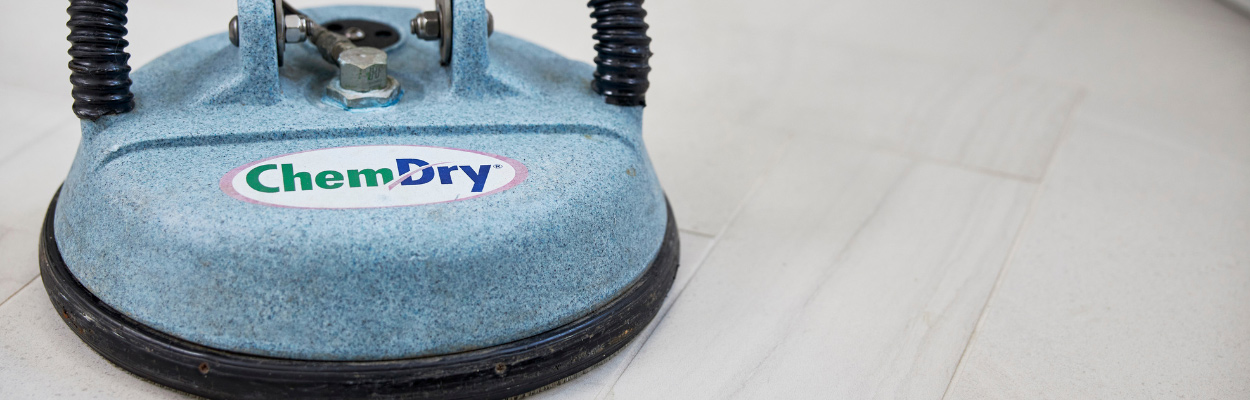
At Chem-Dry, we help homeowners address stubborn buildup with specialized cleaning equipment and techniques suited to their surfaces. Here's how to recognize when DIY cleaning has reached its limits and what to expect from professional service.
1. Why Tile and Grout Become Difficult to Clean
Tile and grout respond differently to everyday wear.
Glazed ceramic and porcelain tiles generally resist dirt on their surfaces, while many cement-based grouts contain small pores that can collect soil and absorb liquids.
The type of buildup also depends on the room.
In kitchens, cooking oils, food spills, and foot traffic contribute to discoloration. Bathrooms experience soap buildup, mineral deposits, and moisture. Entryways collect outdoor dirt that gets tracked across the floor.
Regular mopping helps control surface dirt, but it may not be enough to address buildup that has settled into grout lines.
Using stronger chemicals isn't always the answer. Certain acidic or abrasive products can damage natural stone, grout, or protective finishes.
When appropriate routine cleaning no longer produces noticeable improvement, professional service becomes a practical option.
2. Five Signs DIY Tile and Grout Cleaning Has Reached Its Limit
You don't have to wait until your floors look severely dirty to consider professional cleaning.
1. Grout Lines Stay Dark After Scrubbing
If grout remains noticeably darker than surrounding areas after cleaning, accumulated soil may be difficult to remove with household tools.
Some discoloration can also be permanent, so professional evaluation helps determine whether cleaning or restoration is needed.
2. Tile Floors Look Dull After Mopping
A cloudy or uneven appearance may indicate buildup that routine mopping hasn't removed.
Professional cleaning can help address removable deposits and restore a cleaner-looking surface.
3. You Keep Scrubbing the Same Areas
Repeatedly cleaning grout without seeing meaningful results is a sign your current approach may not be effective.
Professional equipment can provide more targeted cleaning without requiring hours of manual scrubbing.
4. High-Traffic Areas Look Noticeably Dirtier
Kitchens, hallways, and entryways often develop darker grout lines and visible soil patterns because of frequent use.
These areas may benefit from periodic professional attention.
5. Stains Remain After Spot Cleaning
Some spills and stains respond well to household products, while others may require specialized treatment.
Avoid experimenting with increasingly harsh chemicals, especially on natural stone or delicate finishes.
3. Grout Problem Checklist: Cleaning or Repair?
Before scheduling service, check the condition of your tile and grout.
- Dark grout lines: Discoloration remains after routine cleaning.
- Uneven color: Some grout sections look noticeably darker than others.
- Dull surfaces: Tile appears cloudy or less vibrant after mopping.
- Persistent buildup: Grease, soap deposits, or tracked-in grime remain visible.
- Heavy traffic patterns: Frequently used areas show concentrated discoloration.
- Cracked or missing grout: Joints are deteriorating or separating from tiles.
- Loose tiles or moisture problems: Tiles move or show signs of underlying water damage.
The first five conditions may benefit from professional cleaning.
Cracked grout, loose tiles, and suspected moisture damage require additional evaluation. Cleaning cannot repair structural problems, failed waterproofing, or deteriorated grout.
4. Routine Cleaning vs. Professional Tile and Grout Cleaning
DIY maintenance and professional service serve different purposes. Both contribute to keeping tile floors in good condition.
Cleaning Factor | Routine DIY Cleaning | Professional Cleaning |
|---|---|---|
Best for | Everyday dirt and fresh spills | Stubborn buildup and embedded soil |
Equipment | Mop, brush, vacuum, household cleaners | Specialized equipment and cleaning products |
Grout treatment | Surface cleaning and manual scrubbing | Targeted grout-line cleaning |
Difficult stains | Results vary by product and stain | Professional evaluation and appropriate treatment |
Time required | Ongoing homeowner effort | Cleaning performed by trained technicians |
Frequency | Weekly or as needed | Periodically based on floor condition |
Professional service complements regular maintenance rather than replacing it.
At Chem-Dry, we offer tile, grout, and stone cleaning services that are designed to help homeowners address the buildup that everyday cleaning may leave behind.
5. What to Expect From a Professional Tile and Grout Cleaning Service
A professional cleaning starts with understanding the material and condition of your flooring.
At Chem-Dry, our technicians evaluate the surface and select appropriate cleaning techniques. Ceramic, porcelain, natural stone, and different grout types may have distinct care requirements.
The cleaning process generally involves three stages.
Surface Assessment
Your technician examines the tile and grout, identifies problem areas, and determines which cleaning methods are appropriate.
Existing damage or permanent discoloration may affect the expected results.
Specialized Cleaning
Professional cleaning solutions and equipment help loosen and remove accumulated soil from tile surfaces and grout lines.
This targeted approach is particularly useful in areas where routine mopping has become ineffective.
Final Evaluation and Care Recommendations
After cleaning, your technician can review the results and recommend maintenance practices for your flooring.
Depending on your surface and local service availability, you may also discuss protective treatments such as grout sealing.
The goal is to remove accumulated soil and improve the appearance of your flooring—not to promise that every stain or discoloration can be reversed.
6. Can Professional Cleaning Make Grout Look New Again?
Professional cleaning can significantly improve the appearance of grout when discoloration comes from removable dirt and grime.
However, results depend on the grout's condition.
Permanent staining, chemical damage, and deterioration may not respond to cleaning. In some cases, grout restoration, color treatment, or replacement may be necessary.
For example, grout that has darkened from ordinary soil buildup may respond well to professional cleaning. Grout that is crumbling or missing sections needs repair instead.
Understanding the difference helps homeowners choose the right service and set realistic expectations.
7. How Often Should Tile and Grout Be Professionally Cleaned?
For many households, professional tile and grout cleaning every 12 to 18 months is a reasonable starting point.
Heavily used areas may benefit from more frequent service.
Area or Household Condition | Suggested Cleaning Frequency |
|---|---|
Low-traffic tiled areas | Every 12–18 months |
Average kitchens and bathrooms | Every 12 months |
High-traffic entryways and hallways | Every 6–12 months |
Busy households with children or pets | Every 6–12 months, as needed |
These are general maintenance guidelines, not fixed requirements.
Surface material, foot traffic, cleaning habits, and manufacturer recommendations should guide your schedule.
If grout becomes noticeably discolored before your next planned appointment, consider having it evaluated sooner.
8. How to Maintain Tile and Grout Between Professional Cleanings
Simple maintenance habits can help reduce buildup and keep your floors looking their best.
Sweep or vacuum regularly to remove loose dirt, especially in entryways and other high-traffic areas.
Mop with a cleaner appropriate for your tile or stone, following the manufacturer's instructions. Avoid highly acidic or abrasive products unless specifically approved for the surface.
Clean spills promptly, and avoid using excessive water around damaged grout or unsealed materials.
In bathrooms, ventilation and removing excess surface moisture can help manage damp conditions.
If you're unsure which cleaning products or protective treatments are appropriate, ask a qualified professional before applying them.
Consistent maintenance makes it easier to manage everyday dirt and recognize when your floors need more thorough attention.
9. When Is Hiring a Professional Worth It?
A professional tile and grout cleaning service is worth considering when household cleaning methods stop delivering satisfactory results.
The decision often comes down to three questions:
Are you seeing improvement? If repeated mopping and scrubbing make little difference, your current cleaning approach may have reached its limit.
Is the problem removable dirt or actual damage? Professional cleaning can address many types of buildup, while deteriorated grout and loose tiles require repair.
How much time are you spending? If maintaining your floors has become a frustrating, time-consuming task, professional cleaning may be a more convenient solution.
At Chem-Dry, we help homeowners determine whether professional cleaning is the right next step for their tile, grout, and stone surfaces.
When DIY Stops Working, Turn to Chem-Dry
Regular sweeping and mopping are essential for maintaining tile floors, but some buildup requires more than household cleaning tools.
If grout lines remain dark, tile surfaces look dull, or repeated scrubbing produces little improvement, it may be time for professional service.
At Chem-Dry, our specialized tile, grout, and stone cleaning services help homeowners address stubborn dirt and maintain the appearance of their floors without the frustration of repeated DIY attempts.
Ready to give your tile and grout a fresh start?
Explore our professional tile, grout, and stone cleaning services, find a Chem-Dry location near you, and call your local team to discuss your flooring and schedule a cleaning.