Area Rug Cleaning vs. Oriental Rug Cleaning: What Changes and Why It Matters
October 14, 2026
Area rugs can look simple from the surface, but the way a rug should be cleaned depends on much more than its size or where it sits in your home.
A machine-made area rug, a hand-knotted Oriental rug, and a delicate wool or silk rug can differ significantly in their fibers, dyes, construction, backing, fringe, age, and overall condition. Those differences matter because they can affect which cleaning method is appropriate, how the rug should be handled, and whether cleaning can be performed in the home or may require specialized care.
At Chem-Dry, we begin by evaluating the rug itself rather than assuming every rug should be cleaned the same way.
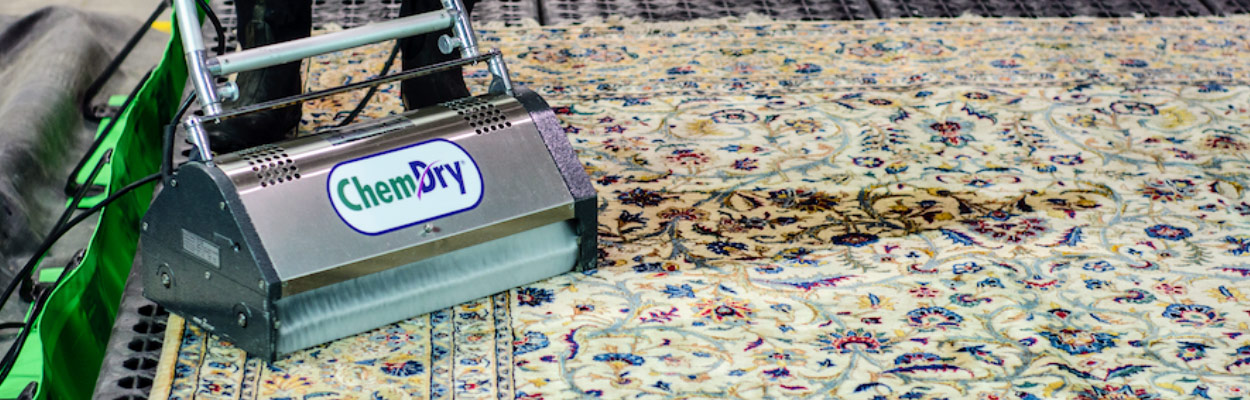
For suitable rugs, our proprietary Hot Carbonating Extraction process delivers a deep clean, uses about 80% less water than traditional steam cleaning, helps rugs dry in hours, not days, and does not rely on soapy detergents. Rugs with delicate fibers, sensitive dyes, intricate construction, or other special considerations may require a different approach depending on the rug and the services available through your local Chem-Dry team.
Review our Area and Oriental rug cleaning services, find a location near you, and call your local Chem-Dry team to discuss the right cleaning option for your rug.
What Is the Difference Between Area Rug Cleaning and Oriental Rug Cleaning?
Area rug cleaning is a broad term for professionally cleaning removable rugs of many materials and construction types.
Oriental rug cleaning generally refers to cleaning rugs traditionally associated with hand-knotted or handwoven construction, often with natural fibers, detailed patterns, fringe, and dyes that may require additional evaluation and careful handling.
The important distinction is not simply what the rug is called.
Two rugs that look similar from across the room can require very different care. The cleaning decision should be based on factors such as fiber type, dye stability, construction, fringe, backing, age, existing damage, and the type of soil or staining present.
That is why professional rug cleaning starts with evaluation rather than a one-size-fits-all process.
Area Rug Cleaning vs. Oriental Rug Cleaning
The following comparison shows some of the factors that can change how a rug should be cleaned.
Cleaning Factor | Common Area Rugs | Oriental or Specialty Rugs |
|---|---|---|
Construction | Often machine-made, power-loomed, or tufted | Often hand-knotted or handwoven |
Common fibers | Nylon, polyester, polypropylene, wool, or blends | Often wool, cotton, silk, or specialty fibers |
Dye considerations | May use relatively stable synthetic dyes | May require closer evaluation for dye sensitivity |
Fringe | May be decorative or attached | May be part of the rug’s construction |
Cleaning location | May be suitable for in-home cleaning | May benefit from specialized or facility cleaning |
Main cleaning concern | Removing everyday soil, spots, and odors | Cleaning while protecting fibers, dyes, fringe, and construction |
Drying needs | Depend on fiber, thickness, and method | May require more controlled drying |
These are general guidelines rather than fixed rules. A machine-made area rug can still have delicate dyes or backing, and many Oriental rugs can be professionally cleaned successfully when the cleaning process is selected carefully.
Why Rug Construction Changes the Cleaning Process
Construction is one of the first things a professional cleaner should consider.
Many common area rugs are manufactured using machines that weave, tuft, or bind fibers into a backing. Others may use adhesives, latex backing, or separate decorative fringe.
Traditional Oriental rugs may be hand-knotted or handwoven. In some rugs, the fringe is an extension of the rug's foundation rather than a decorative piece added later.
Those differences can affect how the rug responds to moisture, agitation, cleaning products, handling, and drying.
A cleaning process that is appropriate for a durable synthetic rug may not be the best choice for a hand-knotted wool rug with sensitive dyes and structural fringe.
This is why the first step should be understanding how the rug was made.
Why Rug Fiber Matters
Fiber type also plays an important role in determining how a rug should be cleaned.
Synthetic Fibers
Nylon, polyester, and polypropylene are common in machine-made area rugs. These materials are often selected for durability and everyday use.
Even with synthetic fibers, however, the cleaner should still consider the rug's backing, dyes, construction, decorative features, previous treatments, and current condition.
Wool
Wool is widely used in higher-quality area rugs and many Oriental rugs. It is durable and resilient, but it benefits from knowledgeable handling.
Cleaning should account for the rug's dyes, construction, fringe, age, and overall condition rather than relying on the fiber type alone.
Silk, Viscose, and Specialty Fibers
Silk, viscose, rayon, and other specialty fibers can be more sensitive to moisture, agitation, spotting products, and changes in texture or appearance.
These rugs should be evaluated carefully before a cleaning process is selected.
Cotton and Other Natural Fibers
Cotton, jute, sisal, and other plant-based fibers can respond differently to moisture and drying. Depending on the rug, considerations may include shrinkage, stiffness, discoloration, or uneven drying.
Professional evaluation can help determine the most appropriate cleaning approach.
Why Dye Stability Matters in Oriental Rug Cleaning
One of the most important considerations with some Oriental and specialty rugs is dye sensitivity.
A rug may contain multiple colors that were produced using different dyeing methods. Those colors can respond differently when exposed to moisture, temperature, agitation, or cleaning solutions.
That does not mean every Oriental rug has unstable dyes. It means dye behavior should be considered before cleaning begins.
When appropriate, a professional cleaner may test for colorfastness or other dye concerns and adjust the cleaning process accordingly.
Homeowners should also mention any previous bleeding, fading, discoloration, water marks, or at-home cleaning attempts. That history can provide useful information when the rug is evaluated.
A Simple Rug Cleaning Decision Framework
If you are trying to determine what kind of cleaning your rug may need, start with these five questions:
- What is the rug made of? Check labels, purchase records, or manufacturer information for fiber content.
- How was the rug constructed? Determine whether it is machine-made, tufted, handwoven, hand-knotted, or made using another method.
- Does the rug have delicate features? Look for fringe, decorative borders, specialty fibers, worn areas, loose threads, or damaged backing.
- Are there stains, odors, or pet concerns? Tell your cleaner about spills, pet accidents, previous spot treatments, and areas with persistent odors.
- Does the rug have unusual value or significance? Antique, heirloom, handmade, sentimental, or high-value rugs may warrant additional evaluation before cleaning.
You do not need to identify every technical detail yourself. The purpose of this framework is to give your local cleaning team useful information before service begins.
If you are still comparing local providers, our guide to how to choose a rug cleaning service near you explains what to ask before booking.
When In-Home Area Rug Cleaning May Make Sense
In-home rug cleaning can be a convenient option when the rug's materials, dyes, construction, and condition are compatible with the cleaning process being used.
For suitable rugs, our proprietary Hot Carbonating Extraction process uses the natural cleaning power of carbonation to help lift dirt and grime from fibers.
It uses about 80% less water than traditional steam cleaning, which can help suitable rugs dry in hours, not days. That creates a more convenient experience for your home and helps you return the room to normal use sooner.
However, not every rug is an appropriate candidate for in-home cleaning. The rug should be evaluated before the cleaning method is selected.
Call your local Chem-Dry team and describe your rug, including its material, age, condition, and any stains or pet concerns. Your local team can explain which cleaning options are available.
When Oriental or Specialty Rugs May Need Additional Care
Some rugs may benefit from specialized handling or cleaning at a dedicated facility.
That may include rugs with:
- Hand-knotted or handwoven construction
- Wool, silk, viscose, or other specialty fibers
- Sensitive or uncertain dyes
- Delicate or structural fringe
- Existing wear or damage
- Heavy soil or difficult odor concerns
- Antique, heirloom, or unusual construction
Facility cleaning can allow technicians to manage different stages of cleaning and drying in a more controlled environment.
However, specific capabilities differ by Chem-Dry location. Some local teams may provide pickup and delivery for rugs requiring facility cleaning, while others may offer different service options.
Ask your local team what is available in your area.
Does an Oriental Rug Always Need a Different Cleaning Method?
Not necessarily.
The label "Oriental rug" can tell a cleaner something about the rug's possible construction and origin, but it does not determine the cleaning process by itself.
Likewise, calling something an "area rug" does not mean it can automatically be cleaned using the same method as wall-to-wall carpet.
The responsible approach is to evaluate the actual rug.
A professional should consider:
- Fiber composition
- Dye stability
- Construction
- Fringe
- Backing
- Age
- Existing damage
- Previous cleaning or stain treatments
- Type and severity of soil
The cleaning process should follow from those characteristics rather than from the name of the rug alone.
Common Mistakes Homeowners Make When Comparing Rug Cleaning Options
One common mistake is assuming all removable rugs can be treated the same way. Rugs can vary considerably, even when they are similar in size and appearance.
Another is focusing only on price without asking what the cleaning process includes. Inspection, dye evaluation, specialty handling, and controlled drying may all affect the appropriate approach.
Homeowners should also avoid withholding information about pet accidents, spills, past stain treatments, or previous cleaning attempts. These details can influence how a professional evaluates the rug.
Finally, do not assume an expensive or handmade rug cannot be professionally cleaned. Instead, choose a provider that evaluates the rug carefully and explains the recommended process before work begins.
Choosing the Right Cleaning Approach for Your Rug
The real difference between area rug cleaning and Oriental rug cleaning comes down to the rug itself.
Some rugs can be cleaned conveniently in the home. Others may require additional testing, specialized handling, or controlled facility cleaning.
At Chem-Dry, our goal is to recommend a cleaning approach based on the rug's fibers, dyes, construction, condition, and specific cleaning needs.
Whether you have a durable family room area rug or a delicate hand-knotted piece, the first step is understanding what you have before deciding how it should be cleaned.
Review our Area and Oriental rug cleaning services, find a location near you, and call your local Chem-Dry team to discuss your rug and available cleaning options.